

Emergencies rarely give advance notice, but preparation can make all the difference in how your family responds. One of the simplest and most effective ways to build confidence under pressure is to practice emergency drills at home.
Just as schools and workplaces regularly run fire drills, families should do the same. A brief “home drill” focusing on specific critical situations like fires or medical emergencies can help ensure that everyone in the household, from young children to older adults, knows what to do when seconds matter.
For MASA members, these moments of preparedness pair naturally with the reassurance that emergency transport needs are already part of the plan, helping families focus on action, not logistics.
Why family drills matter
Households may include family members at very different life stages: infants, teens, working adults, and elderly relatives. Each may need different kinds of help during a crisis, and without practice, roles can become unclear.
Before practicing, families should build a plan that reflects how they actually live: household dynamics, mobility needs, typical schedules, pets, home layout, and regional risks all matter. A rural family in a two-story home with a long driveway over a flood-prone creek may need a very different evacuation and responder access plan than someone in a downtown apartment. Seasonal risks — like spring flooding, winter storms, wildfire smoke, or extreme heat — should shape where supplies are stored, how family members communicate, and when to leave.
Even a short practice session can uncover important gaps: Who calls 911? Does everyone know the home address well enough to share it under stress? Where are medications, mobility aids, utility shutoffs, or emergency supplies stored? The goal isn’t perfection, it’s familiarity: making decisions ahead of time so families can respond faster and more calmly when something goes wrong.
Helpful planning templates and resources:
Related article: Why we hesitate to call 911
Key roles to assign every time
Each drill should clarify responsibilities and clearly outline priorities during unfolding situations:
- Who calls 911?
- Who meets emergency responders at the door?
- Who assists infants, children, or older adults?
- Who gathers critical items like medications and ID?
- Who communicates with other family members?
When everyone has a role, response becomes faster and less chaotic. Plus, practicing these scenarios helps every household member have a stronger understanding of what’s needed during a critical situation, giving them the confidence to step in and adjust if an emergency occurs when not all household members are present.
What to practice together
Check the resources above and download the MASA family emergency drill checklist, then get your household together to practice their emergency response skills. Each of these quick scenarios can be practiced in 10–15 minutes and rotated throughout the year:
-
Chest pain and collapse
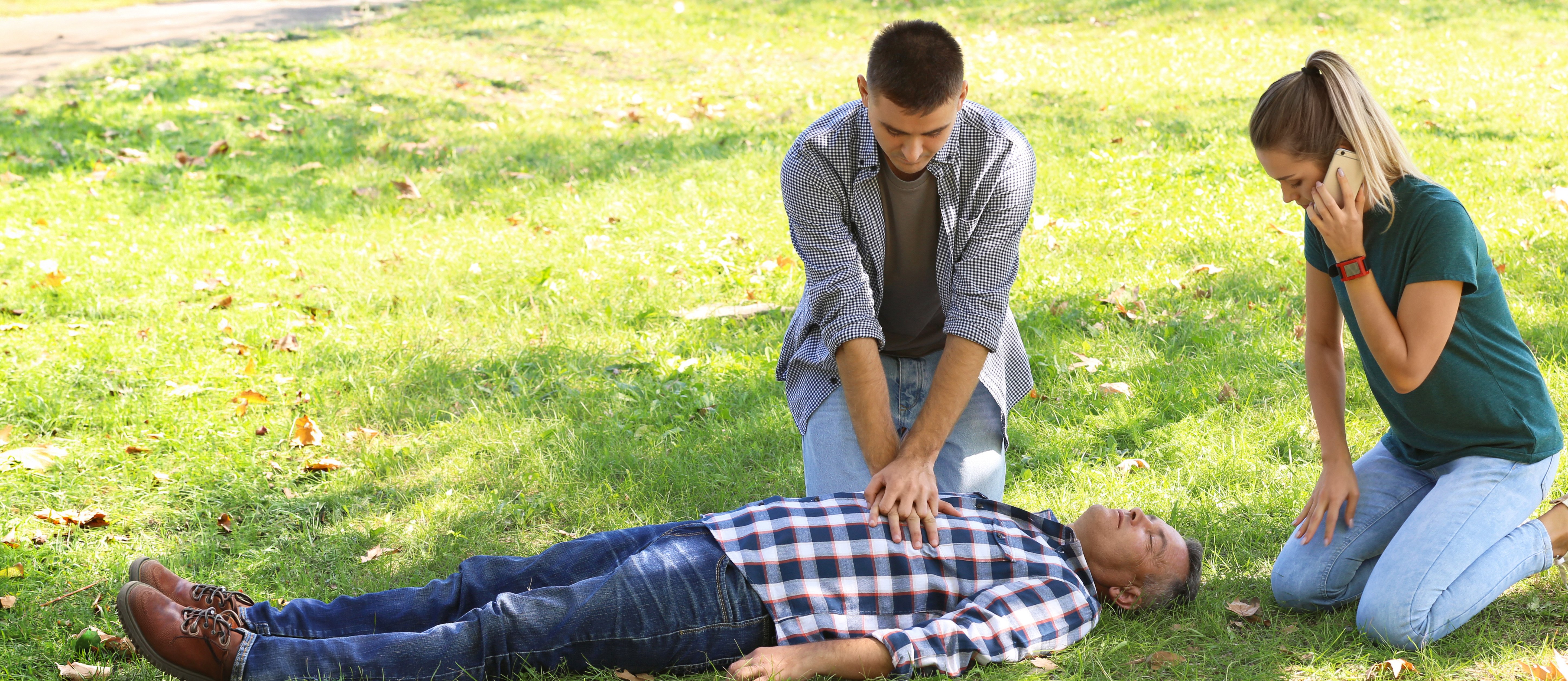
One person pretends to experience chest pain and collapse. Another person practices clearly describing what’s happening, as they would on a 911 call. A third retrieves a designated automated external defibrillator (AED) or first aid kit. If someone in your household has cardiopulmonary resuscitation (CPR) training, this is a good scenario to use to practice those skills.
After practice review: Did the 911 caller sound clear and confident? Does everyone know where emergency equipment is kept?
-
Severe bleeding
One person pretends to have a deep cut from a kitchen accident that won’t stop bleeding. One family member can practice calling 911 and describing the injury. Another family member can access the first aid kit and check for gloves, gauze, and/or a tourniquet. It’s important to practice unlocking doors, turning on exterior lights, and directing EMS to the right entrance, as well.
After practice review: Were supplies easy to find? Could everyone clearly communicate the address and situation? Were there obstacles like locked gates, cluttered hallways, or poor lighting that could slow responders down?
-
Fall with a head injury
This scenario is particularly important for households with older adults. A family member role-plays the person who has fallen. Another family member can practice calling 911 and describing the situation. Another can practice accompanying the fall victim and keeping them stable without causing further injury.
After practice review: Did the 911 caller sound clear and confident? Could everyone clearly communicate the address and situation? Could everyone clearly communicate any mobility or medical needs? Does everyone know how to stabilize the fallen without causing injury?
-
House fire or smoke event
Role-play a quick fire evacuation. One family member can practice helping any children, older adults, or pets exit. Another family member can practice calling 911 and describing the situation once everyone has exited safely from the home.
After practice review: Does everyone know all of the exits from each room and the building? Does everyone know the safe meeting point? Do those who are responsible for helping children, older adults, or pets understand their role? Does everyone know the location of the fire extinguisher and how to operate it? Did the 911 caller sound clear and confident? Could everyone clearly communicate the address and situation?
-
Flood or severe weather evacuation
Role-play a quick severe weather evacuation. Consider scheduling regular practice sessions to review details before and during annual severe weather periods. Each family member can practice what they would grab in a short evacuation window: medications, documents, pet supplies, and essentials. One household member can practice helping any children or older adults. Another family member can practice helping any pets.
After practice review: Does everyone know the safe meeting point? Do those who are responsible for helping children, older adults, or pets understand their role?
Related article: The importance of taking action during an emergency
Remember, you are the first responder
FEMA’s “Until Help Arrives” approach emphasizes a simple truth: in the first moments of an emergency, the people on scene are the help. Emergency services are on the way — but what you do first matters.
Regular practice helps families respond with greater clarity and confidence during those critical minutes.
Why annual practice works
Families change. Children grow, older relatives may need different support, and even home layouts evolve. Revisiting drills once a year ensures your plan stays current and realistic.
It also helps reduce hesitation, because in a real emergency, familiarity is everything.
Plan, practice, respond
Emergency preparedness at home doesn’t need to be complicated or stressful. Short, practical drills help every member of the household know their role and act more effectively under pressure.
And with MASA in place as part of your emergency planning, families gain added peace of mind knowing that if emergency transport is needed, protection from those out-of-pocket costs is already handled — allowing attention to stay where it belongs: on care and response.
Related article: When cost fears put health at risk